Choosing the Best Kitchen Countertop Material - Your Kitchen Surface Material Guide
When it comes to designing a kitchen that feels both welcoming and functional, the choice of countertop material plays a huge role. I’ve spent a lot of time exploring different options, and I want to share what I’ve learned to help you make the best decision for your kitchen. Whether you’re dreaming of a sleek modern look or a warm, classic feel, the right surface can transform your space and make cooking a joy.
Understanding Your Kitchen Surface Material Guide
Choosing a kitchen countertop is more than just picking a pretty surface. It’s about finding a material that fits your lifestyle, budget, and design preferences. Some materials are incredibly durable, while others offer unique beauty or easy maintenance. Here’s a quick overview of popular options:
Granite: Natural stone with unique patterns, very durable but needs sealing.
Quartz: Engineered stone, non-porous, low maintenance, and available in many colours.
Marble: Elegant and timeless, but softer and more prone to stains.
Laminate: Budget-friendly, versatile in design, but less heat resistant.
Solid Surface (like Corian): Seamless look, repairable, and non-porous.
Butcher Block: Warm wood surface, great for chopping, but requires regular oiling.
Concrete: Customisable and modern, but can crack and needs sealing.
Each material has its own personality and practical benefits. I recommend thinking about how you use your kitchen daily. Do you cook often? Do you entertain guests? Are you looking for something easy to clean or something that makes a bold statement? These questions will guide your choice.

Pros and Cons of Popular Kitchen Countertop Materials
Let’s dive deeper into some of the most popular materials, so you can weigh their advantages and disadvantages clearly.
Granite
Granite is a classic choice. It’s incredibly hard and heat resistant, making it perfect for busy kitchens. The natural veining and colour variations mean no two slabs are alike, giving your kitchen a unique look. However, granite needs to be sealed regularly to prevent stains and bacteria buildup.
Quartz
Quartz countertops are engineered from crushed quartz mixed with resin. This makes them non-porous and resistant to stains and scratches. They come in a wide range of colours and patterns, including some that mimic natural stone. Quartz is low maintenance and very durable, but it can be sensitive to heat, so hot pans should not be placed directly on the surface.
Marble
Marble offers unmatched elegance with its soft veining and smooth texture. It’s a favourite for those who want a luxurious kitchen. But marble is softer than granite or quartz, so it can scratch and stain more easily. It also requires sealing and careful maintenance.
Laminate
Laminate countertops are made from layers of paper or fabric impregnated with resin. They are affordable and come in countless colours and patterns. Laminate is easy to clean but can be damaged by heat and sharp objects. It’s a good choice for those on a budget or for secondary kitchen areas.
Solid Surface (Corian)
Solid surface materials like Corian provide a seamless look with integrated sinks and backsplashes. They are non-porous and easy to repair if scratched or chipped. However, they are less heat resistant than stone and can be scratched by sharp knives.
Butcher Block
Wood countertops add warmth and charm. Butcher block is great for chopping and food prep, but it needs regular oiling to prevent drying and cracking. It can also stain and scratch more easily than stone surfaces.
Concrete
Concrete countertops can be customised with pigments and textures for a modern, industrial look. They are very durable but can develop hairline cracks over time. Concrete also needs sealing to protect against stains and moisture.
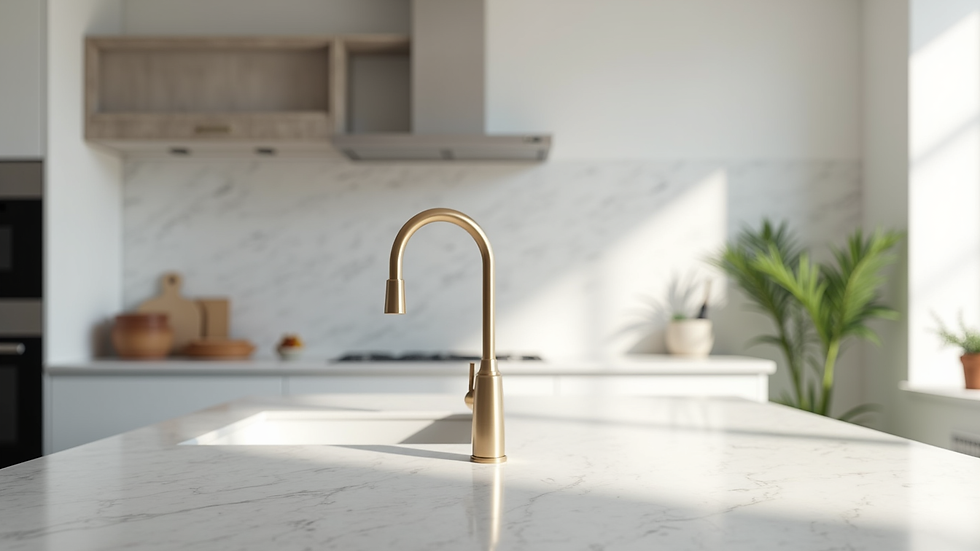
Which is better, Corian or quartz worktop?
This is a question I often get asked, and it really depends on what you value most in your kitchen surface.
Corian is a type of solid surface material that offers a smooth, seamless finish. It’s great if you want integrated sinks or backsplashes without visible joints. Corian is easy to clean and repair, which is perfect if you want a surface that can be refreshed over time. However, it’s not as heat resistant as stone, so you need to be careful with hot pots and pans.
Quartz, on the other hand, is engineered stone that combines natural quartz with resin. It’s incredibly hard and resistant to scratches and stains. Quartz surfaces come in a wide variety of colours and patterns, often mimicking natural stone like marble or granite. It’s low maintenance and doesn’t require sealing. The downside is that quartz can be damaged by extreme heat, so always use trivets.
If you want a surface that looks like natural stone but is easier to maintain, quartz is a fantastic choice. If you prefer a smooth, uniform look with the ability to repair minor damage, Corian might be better. Both materials offer durability and style, so your decision should reflect your kitchen habits and aesthetic preferences.
Practical Tips for Choosing and Maintaining Your Countertop
Once you’ve narrowed down your options, here are some practical tips to keep in mind:
Think about your lifestyle: If you cook a lot, durability and heat resistance are key. For light use, you might prioritise style and budget.
Consider maintenance: Some materials need regular sealing or special cleaners. Choose one that fits your willingness to maintain it.
Match your kitchen style: Your countertop should complement your cabinets, flooring, and overall design.
Get samples: Always look at samples in your kitchen’s lighting before deciding.
Hire professionals: Proper installation is crucial for durability and appearance.
Use cutting boards and trivets: Protect your surface from scratches and heat damage.
Clean spills promptly: Especially with porous materials like marble or wood.
If you want to explore more options and see a detailed kitchen countertop materials comparison, you can check out this helpful resource kitchen countertop materials comparison.
Bringing Your Dream Kitchen to Life
Choosing the right kitchen countertop material is a big step toward creating a kitchen that feels truly yours. It’s about balancing beauty, function, and care. Whether you fall in love with the natural charm of granite, the sleek look of quartz, or the warmth of wood, the perfect surface will inspire you every day.
Remember, your kitchen is the heart of your home. Investing time in selecting the right countertop means you’ll enjoy cooking, entertaining, and gathering with loved ones in a space that reflects your style and supports your lifestyle.
If you’re ready to start your kitchen transformation, take your time exploring materials, ask questions, and imagine how each option will fit into your daily life. The right choice will make your kitchen not just a place to cook, but a place to create memories.
Happy kitchen designing!


Comments